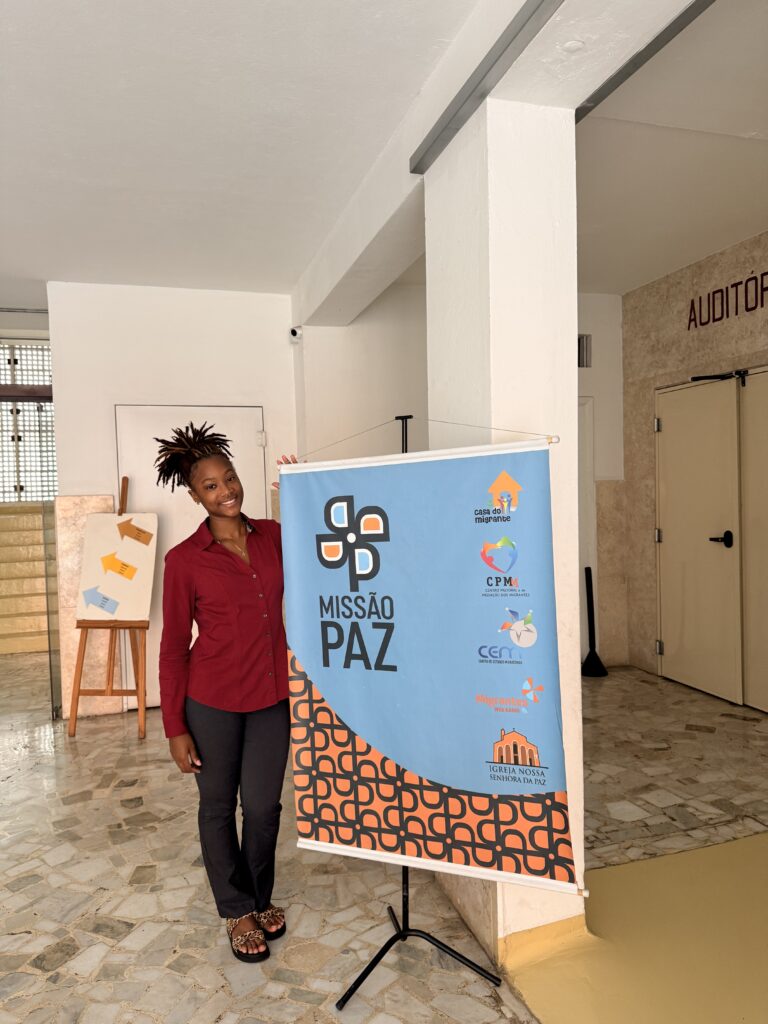
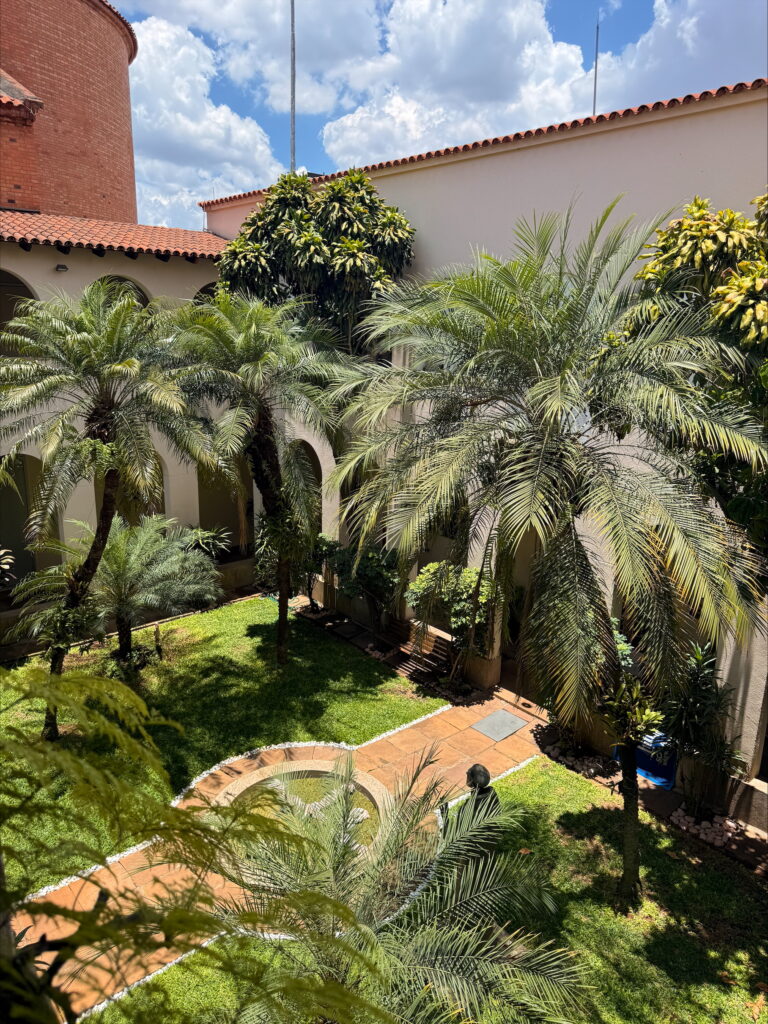
This semester, I completed an internship at Missão Paz in São Paulo, Brazil. Translating to “Peace Mission,” Missão Paz is a nonprofit organization dedicated to supporting refugees and immigrants from more than seventy nationalities as they begin new lives in Brazil. Since the 1940s, the organization has welcomed migrants arriving in São Paulo, providing them with resources and guidance to help them integrate into Brazilian society with dignity and stability. The institution belongs to the Missionaries of St. Charles Borromeo and is part of the Scalabrinian International Migration Network, a global network committed to supporting migrants and displaced populations. Missão Paz serves as a vital support system for individuals and families navigating the challenges of migration. The organization offers services including healthcare support, legal assistance, housing resources, employment programs, Portuguese language instruction, and citizenship and vocational training. With a small permanent staff, the organization relies heavily on volunteers who work alongside staff members to ensure that each person receives the guidance and resources they need. During my internship, I met individuals from many parts of the world, including the Democratic Republic of the Congo, Angola, Ethiopia, Mexico, and Afghanistan. Each person carried a unique story, culture, and perspective. Because of this diversity, the organization operates in a multilingual environment where English, Spanish, Portuguese, French, and many other languages are spoken. Staff members and volunteers often speak multiple languages to ensure that no one is excluded from receiving assistance.
Internships like this are essential in preparing me for my future. They build the cultural awareness, adaptability, and communication skills required to work effectively with patients from diverse backgrounds. This experience has also motivated me to continue learning languages, so I can better connect with and advocate for patients around the world. Perhaps the most meaningful part of my time at Missão Paz was the relationships formed along the way. I built connections not only with the staff and volunteers but also with the individuals and families the organization serves. Watching people from different cultures live, support, and learn from one another was inspiring. Migration is often accompanied by uncertainty and hardship. Yet, the strength of the community at Missão Paz demonstrates how compassion and collective support can transform difficult transitions into opportunities for growth and belonging. As my time in Brazil comes to a close, I leave with a deeper understanding of the power of service and cultural connection. The lessons learned here will continue to shape my journey in healthcare and global service. In the future, I plan to return to the organization, bringing more volunteers, to continue supporting the mission of helping the community at Missão Paz build new lives.