
Starting a new semester is always exciting. A study abroad semester is even more so, and I was thrilled when I first read the syllabi for my classes (called papers in New Zealand). There was no homework/busy work and just 1-3 big assignments or exams for each course. Furthermore, my transcript would only return to UA as pass/fail so an A, B, or C would all count the same towards my degree. Honestly, I expected classes to be a breeze and looked forward to having a lot of free time to enjoy being abroad. And while I did have get to travel and explore New Zealand, I ended up having to put forth the same amount of effort for my classes there as I did back in the United States.
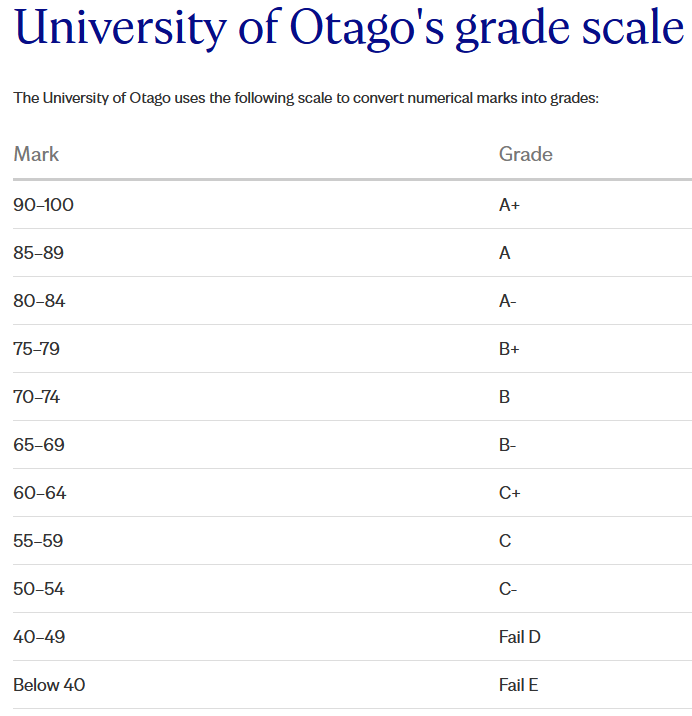
We were almost two months into the semester when I received my first grade for an assignment. This was for a Māori speaking assessment that I practiced a ton for and thought was really easy. When grades were posted, I pulled up Blackboard expecting to see a perfect score and was shocked to see I got a 65%. To make matters worse, the only feedback was a note from my professor stating, “Good Job!”. I spoke with some of my flatmates and realized that a 65% was a B in New Zealand. Additionally, professors add points for doing especially well at something, instead of taking away points for mistakes like in the U.S. This makes it harder to get higher scores. So even though I only needed a 50% to pass my classes, I realized this would not be a walk in the park. Without the grade boost from easy homework assignments, one bad score on a test could make you fail the entire course.
This sentiment is even reflected in New Zealand’s semester dates. After classes end, there are 3 weeks of solely final examinations. The library was packed every day since exams usually compose about 50% of your final grade and must be passed in order to pass the course, regardless of your grade before the final. I often find myself cramming at the last minute for exams, but I had to change my strategy for my abroad courses. I joined a study group for each of my classes (also a great way to make friends!), had weekly study/work nights with my flatmates, and took advantage of lecturers’ office hours. So, if you check your classes abroad and notice that your classes seem to have less work, don’t assume it will be easier! While there might be fewer actual assignments, that time should probably be used for studying instead.