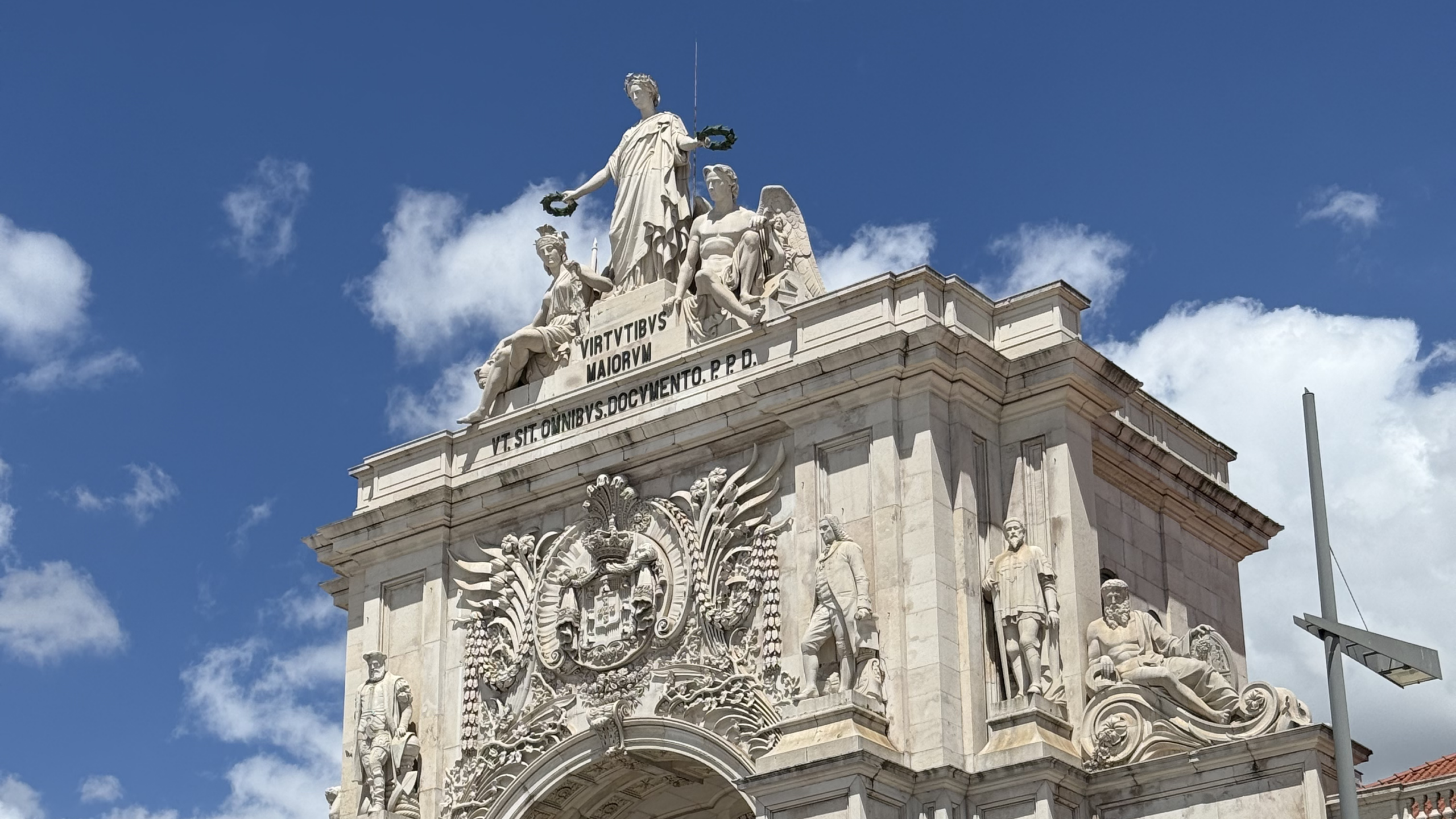
I checked into the hotel on a Wednesday afternoon. Two hours later, I was standing in Praça do Comércio, still jet-lagged, looking up at the arch on the north side of the square that once served as Lisbon’s grand entrance from the river.
The city tour the next day put the geography in context. Lisbon sits on seven hills, and every block ends in either a staircase or a viewpoint. Edward 7th Park, Liberty Avenue, and Rossio all sit in the grid that was built after the 1755 earthquake leveled most of the city. From Miradouro de Santa Luzia, you can see what didn’t get rebuilt: Alfama, the medieval Moorish neighborhood, still tangled and narrow, the way it has been for centuries. The Lisbon Cathedral, which was started in 1147, sits at the edge of it. Every neighborhood has its own parish church tucked into the alleys, many built directly on top of former mosques after the Reconquista.
We spent a full day in Belém. The Jerónimos Monastery, the Belém Tower, the Maritime Museum, and the Monument to the Discoveries all sit within a fifteen-minute walk of each other. This stretch of the city is essentially a monument to the Age of Discovery. Vasco da Gama is buried in the monastery, and the Belém Tower was built to guard the harbor from which his ships sailed.
Later that week, we caught a Benfica match at Estádio da Luz. The game was Benfica vs Braga, and the game ended in a tie, but it was a thrilling game the entire way through. The crowd was the loudest stadium I’ve ever been in outside of Bryant-Denny.
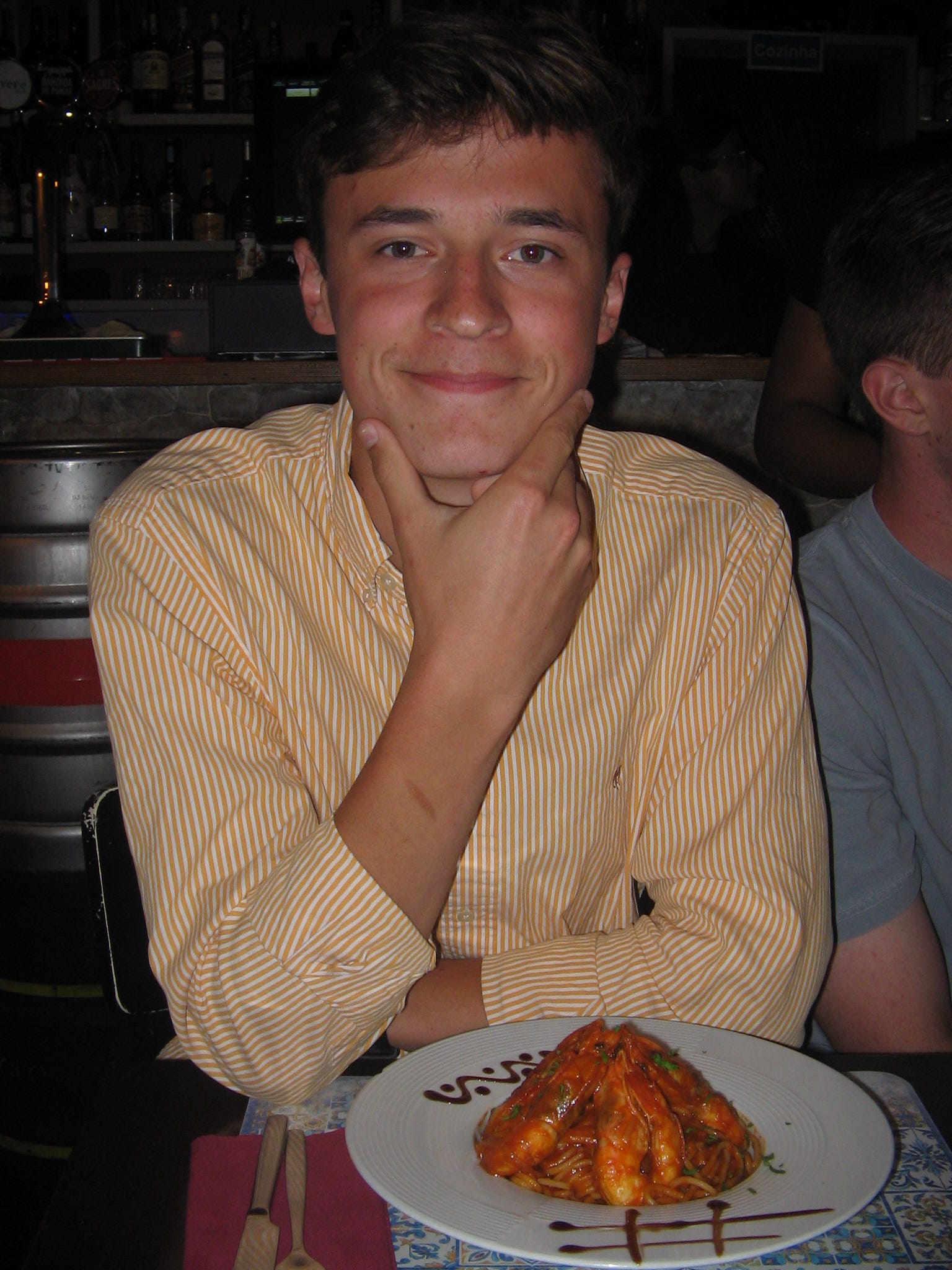
The food tour surprised me the most on the trip. Portugal eats more cod per capita than almost anywhere on earth, even though cod isn’t native to its waters. The Portuguese have been salting and importing it from the North Atlantic since the 1500s, and the national dish, bacalhau, is built around an ingredient the country had to sail thousands of miles to get. I tried octopus and rojões, fried pork chunks served in piri-piri, the Portuguese hot sauce made from chilies the country brought back from its African colonies.
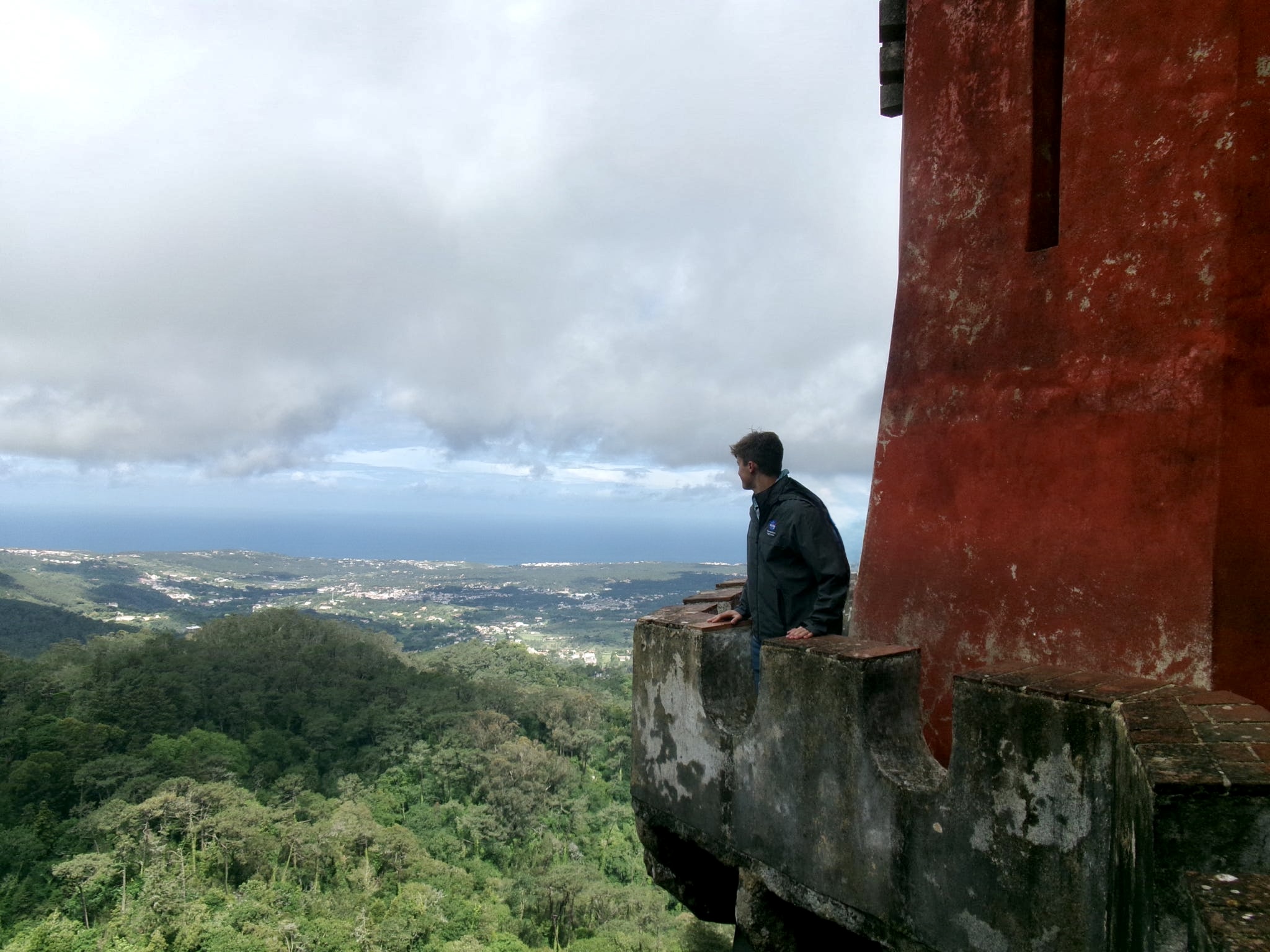
We finished the week in Sintra. Pena Palace sits at the top of the mountain, painted yellow and red in the 19th-century Romantic style. The hillside is wrapped in a fog forest that feels nothing like the Lisbon we’d left an hour earlier. By the time we left for Porto the next morning, Lisbon had given me more history, food, and steep climbs in a week than I’d expected from a single city.