
Generally speaking, I love to research before traveling somewhere new. I want to be fully prepared for unfamiliar customs, as well as find recommendations for food or activities. Before going to New Zealand, I learned about popular slang, common Māori phrases, left-side-of-the-road driving, food recommendations, and so much more. I didn’t think there would be many unexpected cultural differences that would surprise me, but I was definitely wrong.
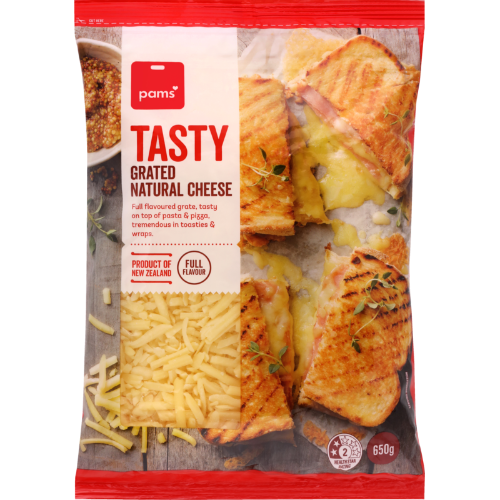
One of the biggest differences I noticed was food availability. I didn’t realize how spoiled we are in the U.S. with access to ingredients, especially produce, regardless of season. I arrived in New Zealand in the middle of winter, so pretty much the only produce options were root vegetables and citrus fruits. While I do love potatoes, carrots, and oranges, I got sick of them fast. Even if out-of-season fruits and veggies are a little more expensive in the U.S., there are always some options. Additionally, some foods like turkey or cheeses don’t exist at all. Because of this lack of ingredients, as well proximity to other countries, restaurants options were also fairly limited. In my town, the only cuisine options were British or Asian. While the Indian restaurant next to my flat was amazing, I was craving Mexican food and barbecue the entire time I was abroad. One other thing I noticed about food in New Zealand was that there were no resealable packages in the grocery store. I typically grocery shop once or twice a month in the U.S. and just buy bulk packages that last me longer. I could not do this abroad since the food would go stale or rot a lot quicker.
I was also not expecting appliances in New Zealand to be so different. I anticipated no air conditioning, but I did not know that every building would have multiple heaters instead. At least in Dunedin, I did not miss the air conditioning at all, since buildings don’t have great insulation and oftentimes are colder than outside. It’s pretty common to have heated bed sheets and a heater for each room. If you did ever get hot, just open a window and wait a few minutes! Another small difference I did not expect was that hot water was always on the right side and cold water was on the left (causing me to start many showers with a burst of cold water). Lastly, switches point down, not up, when they’re turned on. Even outlets had their own switches to turn on and off to save electricity.
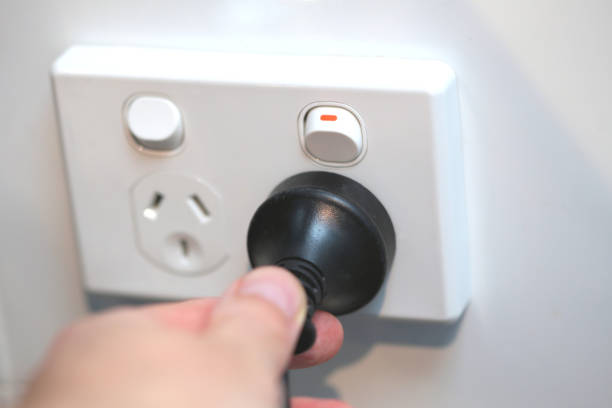
No matter how prepared you think you are to study abroad, there will be some culture shocks that you won’t expect. The best thing you can do is be flexible and have an open mind. You might make mistakes now and then, but take the opportunity to learn from them (and remember to check outlets are turned on so you don’t go to class with a dead laptop!).
-Johanna